More than two decades after To Err Is Human challenged the healthcare system to confront preventable harm, the aspiration behind that moment still matters. We are still working toward a system that is not only safer, but more responsive, more coordinated, and more human.
That broader vision was later captured in the STEEEP framework, care that is safe, timely, effective, efficient, equitable, and patient-centered.
At DigitalDoctors@Home, we believe that vision becomes more attainable when healthcare reaches people where life is actually happening. Not just in hospitals. Not just in clinics. But in living rooms, in neighborhoods, and in the everyday realities that shape outcomes long after an appointment ends. That is why our model is built around community-based, hybrid, home-centered care designed to support vulnerable patients with both high-touch support and high-tech insight.
For many patients, especially those managing chronic conditions, the greatest risks do not begin in a hospital bed.
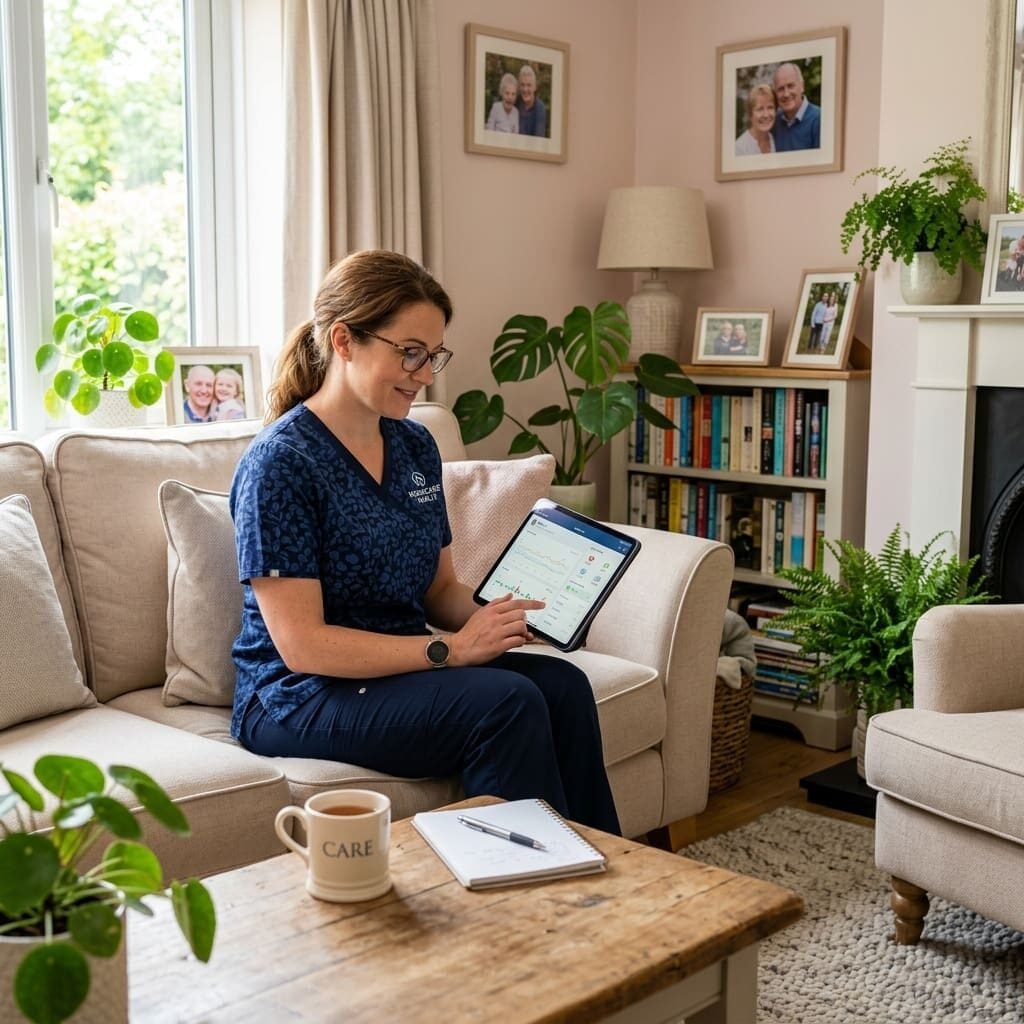
They build quietly at home.
A missed follow-up.
A subtle change in symptoms.
A medication problem.
Transportation barriers.
Gaps in communication.
A care plan that sounds good during the visit but breaks down in real life. In rural and ambulatory settings, those gaps can become even more significant because distance, fragmented access, and limited continuity make it harder to catch problems early. That is exactly why quality improvement cannot stop at the point of care. It has to extend into the space between visits.
That is where DigitalDoctors@Home is different.
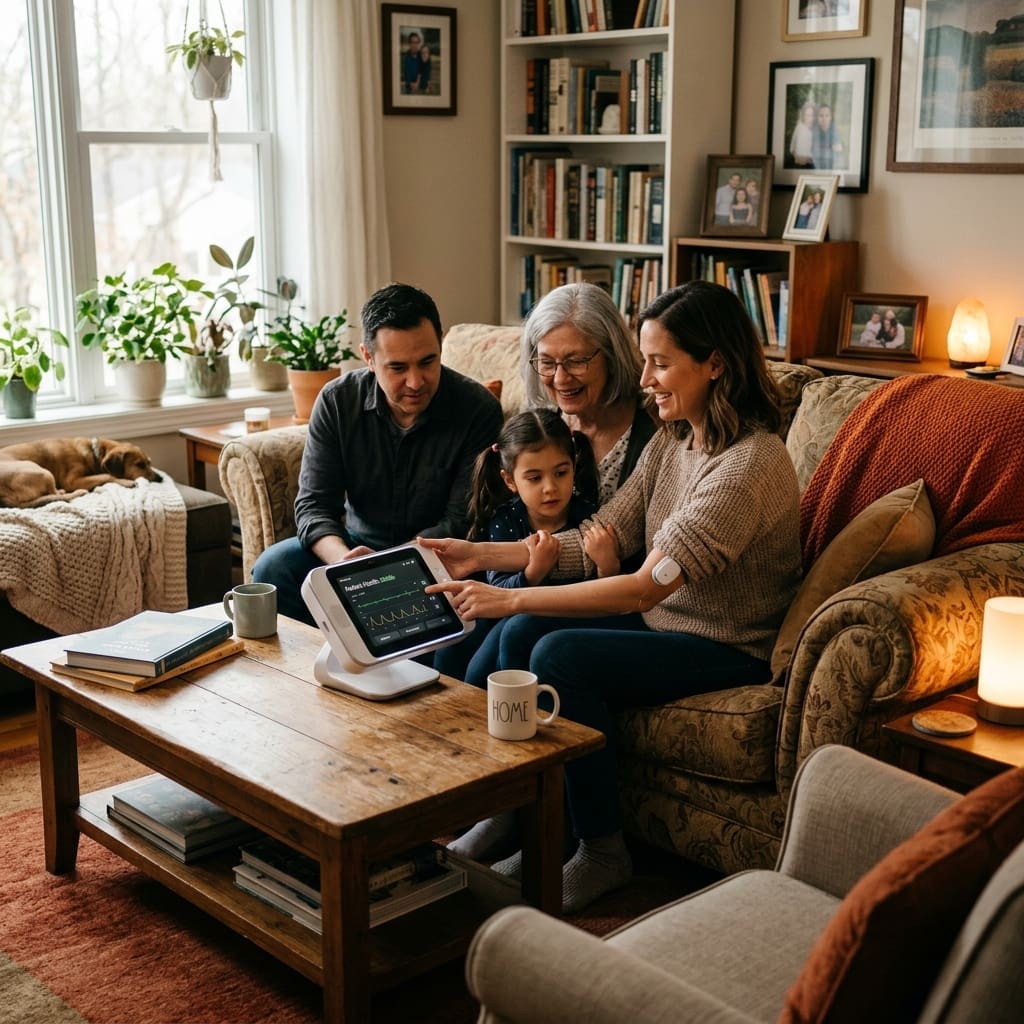
DD@H is built on the belief that care should not begin in a clinic or hospital, but in the patient’s living room. Our Total Care Management approach considers not only medical needs, but also the social, environmental, and economic factors that affect health. We combine remote patient monitoring, telemedicine, virtual care coordination, in-home clinical support, and AI-powered predictive analytics to help people receive more complete care in the place they know best: home.
This matters because the STEEEP vision was never meant to live on paper. It was meant to shape how care is delivered. And in today’s healthcare environment, especially for vulnerable populations, that means building systems that do more than react. It means building systems that can see, respond, coordinate, and support before preventable problems become crises.
Safe care means seeing risk sooner.
Safety is often discussed as if it only applies inside hospitals, but many patients face serious risk long before they ever arrive at an emergency department. When vital signs are not monitored, when changes go unnoticed, or when follow-up is delayed, manageable issues can become life-threatening events. A safer system is not only one that avoids error during treatment. It is one that reduces the chance that patients will deteriorate unseen and unsupported.
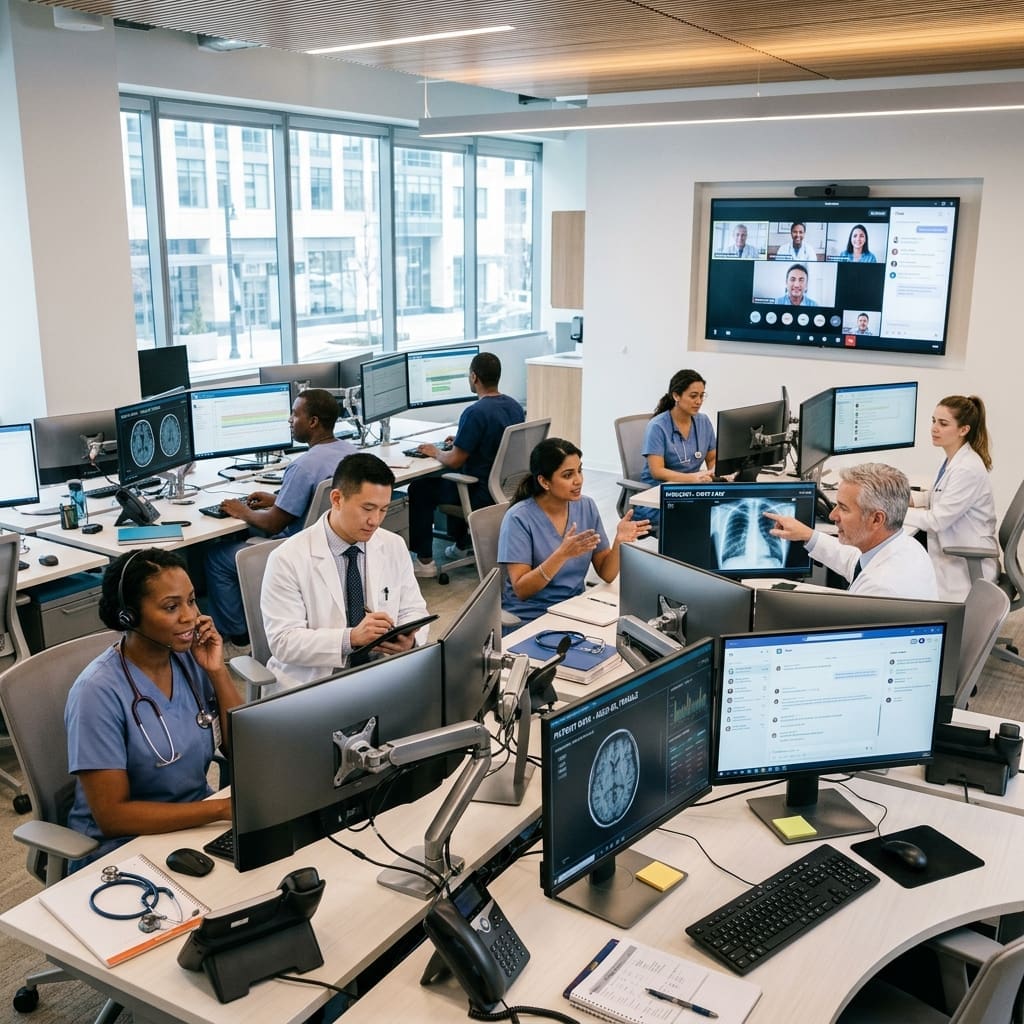
DD@H helps create that kind of safety by increasing visibility between visits. Our model uses connected monitoring, virtual oversight, and in-home care to help identify health issues before they become critical.
Timely care means acting before “later” becomes “too late.”
In healthcare, delays are costly. They can show up as long waits, missed calls, unresolved symptoms, delayed escalation, or unnecessary trips to the hospital because no one intervened sooner. In rural and ambulatory settings, timeliness is not just about convenience. It is about protecting people from avoidable harm caused by distance, fragmentation, and lack of immediate support.
DD@H is designed to narrow that gap. Through regular monitoring, telemedicine access, home check-ins, and coordinated follow-up, our model helps shorten the distance between a change in condition and meaningful clinical response. Care should not begin only when a patient becomes sick enough to break through the system. It should begin as soon as the system can see that something is changing
Effective care means the plan works in real life.
A care plan is only as effective as its ability to be lived. Clinical recommendations may be evidence-based, but if a patient does not understand the plan, cannot follow through, cannot access support, or is dealing with challenges no one sees, even the right plan can fail. That is why effectiveness depends on more than clinical expertise. It depends on context, coordination, and follow-through.
DD@H’s Total Care Management model is built for that reality. By considering the whole person, not just the diagnosis, we help connect medical care to the real conditions of daily life. Our approach is designed to support understanding, continuity, and action, so that care does not remain theoretical. It becomes practical. It becomes personalized. And most importantly, it becomes more likely to work.
Efficient care means reducing avoidable escalation.
Efficiency in healthcare should never mean doing less for people who need more. It should mean reducing waste, duplication, unnecessary utilization, and preventable complications by making care smarter and more coordinated. The most efficient care is often the care that prevents an avoidable emergency, unnecessary admission, or fragmented chain of follow-up.
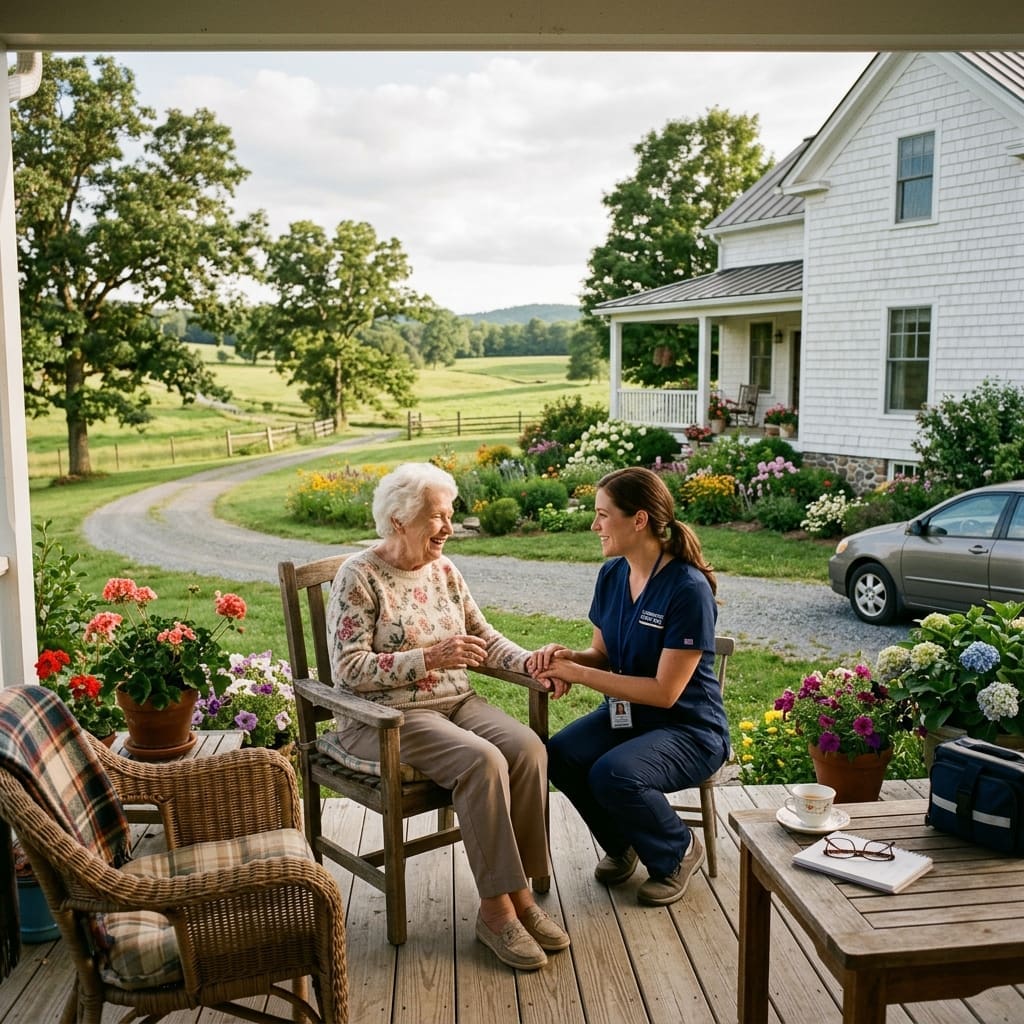
That is part of our mission at DigitalDoctors@Home. We emphasize proactive, comprehensive care designed to help keep patients healthy and out of emergency departments and hospitals whenever possible.
By combining early visibility, coordinated care, and home-based support, DD@H helps shift care from reactive crisis management to earlier, better-managed intervention. That is better for patients, better for families, and better for the healthcare system.
Equitable care means quality must be reachable.
Equity is not a secondary goal. It is a defining test of whether healthcare quality is real. If geography, economic status, race, ethnicity, or social barriers determine who gets timely, coordinated, high-quality care, then the system is still falling short. The STEEEP framework makes that clear, and so does DD@H’s mission.
Our goal is to deliver equitable, high-quality healthcare to every person, especially the most vulnerable, regardless of social determinants of health, geography, race, ethnicity, or economic status. We are committed to underserved communities, including people in rural areas. That is why our model matters so much in rural and ambulatory settings. We are not simply extending care. We are helping make quality care more reachable.
Patient-centered care means care starts with real life.
Patient-centered care is easy to say, but much harder to operationalize. It requires more than listening during an appointment. It requires understanding how a person actually lives, what barriers they face, what support they have, and what health looks like in their day-to-day environment. When care remains disconnected from those realities, it becomes harder to personalize, harder to coordinate, and harder to sustain.

At DD@H, patient-centered care is not an add-on. It is built into the model. Our care begins in the living room because that is where so many of the real drivers of health become visible. It is where we can better understand the patient’s routines, risks, resources, and needs. It is where healthcare becomes more relational, more practical, and more aligned with the whole person.
For institutions, this is the larger lesson. Achieving better outcomes in rural and ambulatory settings will take more than adding telehealth or layering in a device. It requires a care model that integrates visibility, workflow, coordination, escalation, and follow-through. It requires systems that are designed not only to treat illness, but to support people continuously and intelligently between episodes of care. That is where true redesign begins.
DigitalDoctors@Home represents that kind of redesign. We are a community-based, hybrid healthcare provider delivering total care management to vulnerable people from their living rooms. We believe healthcare should be proactive, equitable, and deeply connected to the realities of everyday life. And we believe that when care reaches people earlier, more personally, and more consistently, better outcomes become more possible.
The aspiration behind To Err Is Human was never only to reduce mistakes. It was to move healthcare toward something better. Safer. More responsive. More humane. The STEEEP framework gave that aspiration a language.
DigitalDoctors@Home is helping bring it closer to life by delivering coordinated, home-centered care in the places where health is actually lived every day.
Learn More
Contact DigitalDoctors@Home to learn how the DD@H model fits your organization and the populations you serve.


